
When Tradition Meets Gender-Based Violence: Who Protects Women in Rural Communities?


Thuleleni TV visits Ulundi to hear the story of a woman who fled an abusive marriage — and raises important questions about the support available to women in rural communities.
Gender-Based Violence (GBV) remains one of the most serious challenges facing communities across South Africa. While much attention is often placed on urban areas and formal institutions, the experiences of women living in rural communities can present additional challenges — particularly when traditional customs, family structures and access to support services intersect.
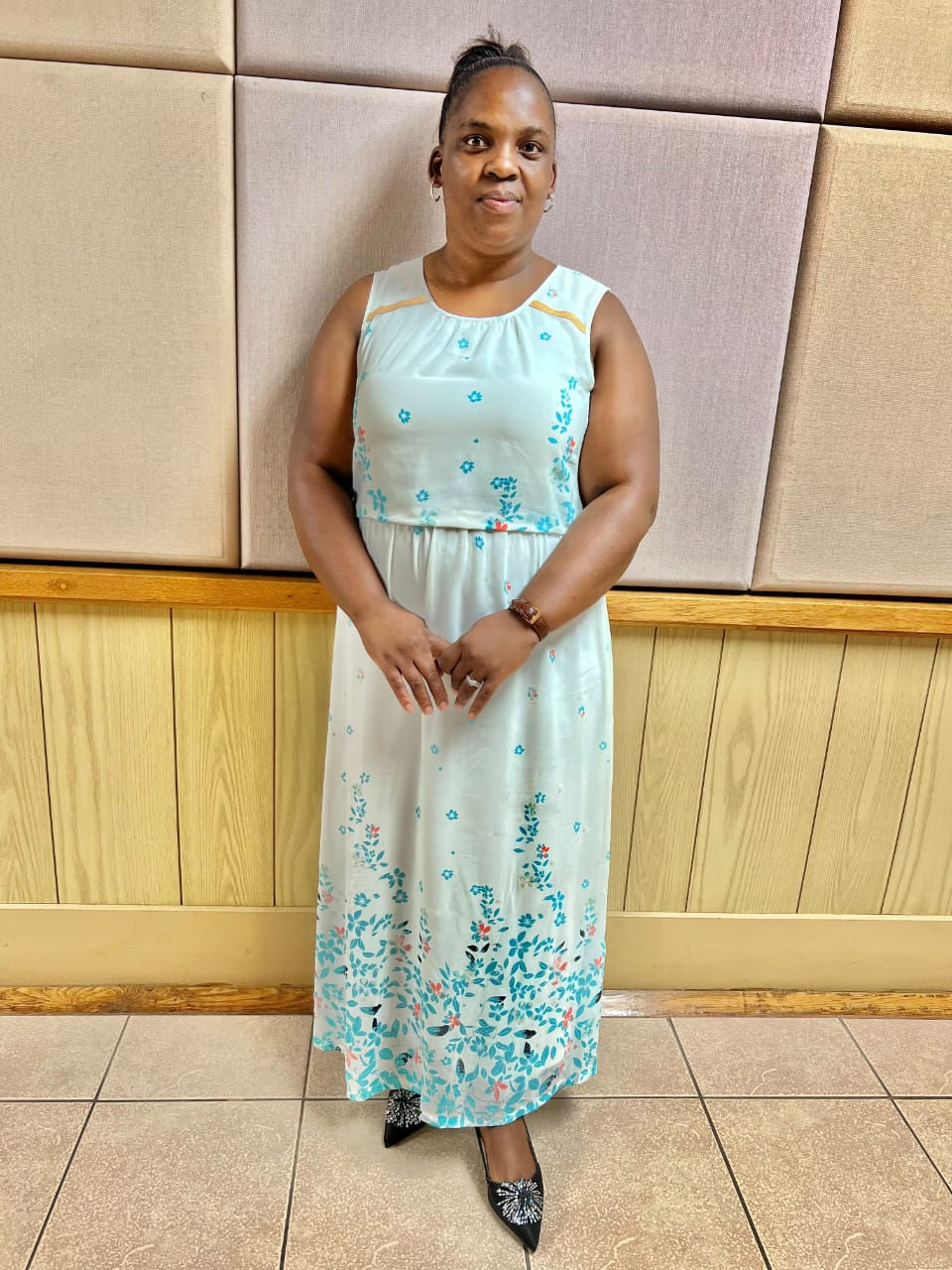
During a recent visit to a rural community in Ulundi, Thuleleni TV encountered the story of a woman who found herself in an abusive marriage and ultimately made the difficult decision to leave in order to protect herself.
According to the account shared with Thuleleni TV, the woman returned to her family home after experiencing problems in her marriage. However, her return was complicated by traditional expectations within the community, with the understanding that, after marriage, a woman may not simply return to her family home and remain there permanently.
Faced with an uncertain future, the woman reportedly approached the local Inkosi in the hope of finding assistance, including a place or piece of land where she could live safely and rebuild her life.
However, the family says that the assistance they have been seeking has not yet materialised, leaving important questions about what options are available to women in rural communities who find themselves in similar circumstances.
Where does a woman go when she has nowhere else to turn?
For a woman escaping an abusive relationship, returning home should fundamentally be about safety and protection.
But what happens when cultural or traditional expectations create additional barriers to that safety?
This case raises a broader question that deserves serious discussion:
Do traditional leadership structures in rural communities have dedicated mechanisms for dealing with Gender-Based Violence and supporting women who flee abusive marriages?
Traditional leaders and amakhosi continue to play an important role in many rural communities. They can serve as important points of contact for families, assist in resolving community disputes and provide guidance on matters affecting their communities.
But GBV is a particularly sensitive issue. Cases involving physical, emotional, sexual or other forms of abuse require responses that prioritise the safety, dignity and rights of the survivor.
Traditional leadership structures can potentially play an important role in connecting survivors and families with the appropriate services, including the South African Police Service, social workers, shelters, healthcare facilities, legal assistance and organisations specialising in GBV.
The question, therefore, is not necessarily whether traditional structures should replace formal institutions, but rather:
Are there effective systems connecting traditional leadership with the formal support services that survivors need?
Tradition and the protection of women
Culture and tradition are important parts of South Africa's identity and should not automatically be viewed as obstacles to addressing social problems.
At the same time, cultural practices should not leave a woman with nowhere to go when she is escaping abuse.
A woman who leaves an abusive marriage should not have to choose between returning to an unsafe environment and becoming homeless or unsupported.
The circumstances of every family and community are different, and Thuleleni TV does not seek to make a determination about the particular traditional processes applicable to this family.
Instead, we believe this case provides an opportunity for a wider community conversation about how traditional leadership, families, government institutions and civil society can work together to protect women experiencing GBV.
A call for support — and answers
Thuleleni TV does not promote, support or endorse Gender-Based Violence in any form.
Our role in profiling cases such as this is to give communities a voice, bring attention to issues that may otherwise remain unseen and encourage meaningful intervention.
The woman at the centre of this story needs support, safety and a pathway forward.
Her experience also raises questions that extend beyond one individual case:
What procedures are available within traditional leadership structures when a woman reports an abusive marriage?
Are traditional leaders equipped and trained to respond appropriately to GBV cases?
Where can a woman go when she has left an abusive marriage but cannot safely return to her previous home?
How do traditional authorities work with social workers, SAPS, healthcare services and GBV organisations?
What mechanisms exist to ensure that survivors are not left without shelter, protection or assistance?
How can communities uphold cultural values while ensuring that women fleeing abuse are protected?
These are not questions that should be ignored.
They are questions that require traditional leaders, government departments, community organisations, families and communities themselves to engage openly and constructively.
No woman should be left without a safe place to turn
Behind every GBV case is a human being whose life, safety and future may be at risk.
For women living in rural communities, geographical isolation, limited resources, social pressures and traditional expectations can make an already difficult situation even more complicated.
The answer cannot be silence.
It must be support, protection, accountability and cooperation.
Thuleleni TV will continue to highlight stories affecting ordinary people and to ask difficult questions where communities need answers.
This case is not about attacking tradition or blaming an entire community. It is about asking whether the structures available to women are strong enough when they need help the most.
When a woman finds the courage to leave an abusive relationship, the community should be asking one fundamental question:
“How can we help keep her safe?”
Thuleleni TV stands firmly against Gender-Based Violence in all its forms.


Comments